

Company Overview
-
Founded Date 07/04/2019
-
Posted Jobs 0
-
Viewed 10
-
Categories
Company Description
10 Undeniable Reasons People Hate Car Key Programming Service
Precision and Protection: The Definitive Guide to Car Key Programming Services
In the early days of the automobile industry, a car key was a basic piece of cut metal. If a motorist lost their key, any proficient locksmith could grind a new one in minutes using a physical template. Nevertheless, as vehicle theft ended up being more advanced, so did the technology developed to prevent it. Today, a car key is much more than a jagged strip of steel; it is a sophisticated electronic gadget that acts as a digital handshake in between the chauffeur and the lorry’s onboard computer.

This evolution has generated a specialized niche in the automotive world: Car Key Programming Services. Understanding how this service works, why it is necessary, and the technical accuracy needed is essential for every single contemporary car owner.
The Evolution of Car Key Technology
To comprehend car key programming, one need to first understand the technology embedded within modern-day secrets. Since the mid-1990s, makers have incorporated electronic components into secrets to boost security.
1. Transponder Keys
Presented to avoid “hot-wiring,” transponder keys contain a little RFID (Radio Frequency Identification) chip inside the plastic head of the key. When the key is turned in the ignition, the car’s Engine Control Unit (ECU) sends out an electronic signal to the key. If the chip in the key reacts with the right digital code, the engine starts. If the code is missing out on or inaccurate, the immobilizer system avoids the fuel pump from engaging.
2. Remote Fobs and Keyless Entry
These devices permit motorists to lock, unlock, and sometimes begin their cars from a range. They run on specific radio frequencies that need to be synchronized with the vehicle’s receiver.
3. Smart Keys and Proximity Fobs
The most innovative level of key innovation, smart keys permit “push-to-start” functionality. The car spots the existence of the key through distance sensing units. These require the most complex programming due to the rolling codes utilized to prevent “relay attacks” by tech-savvy thieves.
Key Type Comparison Table
| Key Type | Decade Introduced | Main Security Mechanism | Programming Required? |
|---|---|---|---|
| Mechanical Key | 1900s – 1980s | Physical wafer/pin positioning | No |
| Transponder Key | 1990s | RFID Chip/ Digital Handshake | Yes |
| Remote Key Fob | 2000s | Radio Frequency (RF) Signal | Yes |
| Smart Key (Proximity) | 2010s – Present | Encrypted Rolling Codes | Yes (High Complexity) |
How Car Key Programming Works
Car key programming is the process of syncing a new, blank electronic chip to a particular vehicle’s ECU. When a service technician programs a key, they are not simply cutting metal; they are getting in the automobile’s software system to “present” the new key as a trusted device.
The Technical Process
Most expert services follow a standardized treatment to guarantee the brand-new key functions flawlessly with the lorry’s security facilities:
- Diagnostic Connection: The technician connects a customized programming tool to the car’s OBD-II (On-Board Diagnostics) port, generally found under the dashboard.
- System Access: Using proprietary software, the specialist bypasses or goes into the automobile’s security layer. This typically needs a “PIN code” or “Security Code” particular to that Vehicle Identification Number (VIN).
- Wiping Old Data: If a key was stolen, the technician can erase the old key’s digital signature from the car’s memory, making sure the lost key can no longer begin the engine.
- Signal Synchronization: The new key is placed in the ignition or a designated “key pocket.” The programming tool transfers the synchronization information to the ECU.
- Confirmation: The service technician checks all functions, including the transponder start, remote lock/unlock, and panic buttons.
Why Professional Service is Essential
While the web is full of “DIY car key programming” tutorials, modern file encryption makes self-programming increasingly hard and dangerous. High-end brands like BMW, Mercedes-Benz, and Audi use “rolling codes” that change every time the key is utilized. Attempting to configure these without professional-grade diagnostic devices can cause a “lockout state,” where the ECU freezes the ignition system totally as a theft-prevention procedure.
Benefits of Professional Programming:
- Correct Hardware: Professionals ensure the chip frequency (e.g., 315MHz vs. 433MHz) matches the car’s particular region and design.
- Software application Updates: Professional tools typically upgrade the lorry’s firmware throughout the programming procedure.
- Service warranty Integrity: Using a licensed service makes sure that the lorry’s electrical guarantee stays undamaged.
- All-Keys-Lost Scenarios: If all secrets are missing, a professional service can create Coding A Car Key brand-new digital signature from scratch, a job impossible for a basic customer.
Average Costs and Time Frames
The expense of car key programming differs significantly based on the car’s make and the complexity of the encryption.
| Service Provider | Estimated Cost | Estimated Time | Pros/Cons |
|---|---|---|---|
| Dealership | ₤ 200 – ₤ 600 | 2 – 4 Hours | Surefire OEM parts; greatest cost. |
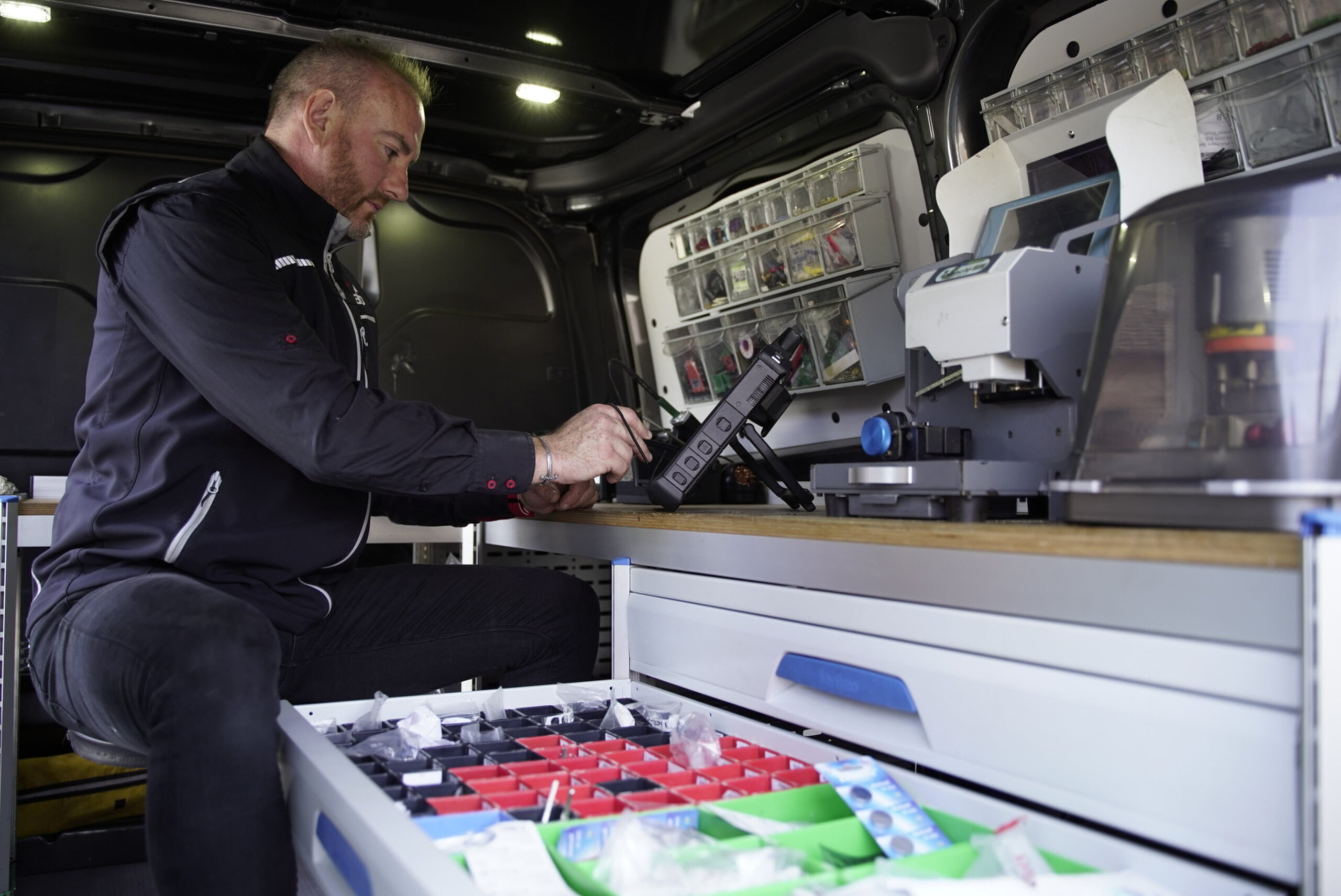
| Mobile Locksmith | ₤ 150 – ₤ 350 | 30 – 60 Mins | Hassle-free (pertains to you); faster service. |
| Huge Box Retailers | ₤ 90 – ₤ 200 | 20 Mins | Minimal to standard designs; no specialized software application. |
Circumstances That Require Key Programming
There are several situations where a vehicle owner may discover themselves in need of these specialized services:
- Purchasing a Used Car: When buying a secondhand automobile, it is a security best practice to have the car “re-flashed.” This includes programming the keys currently in belongings and deleting any previously programmed secrets that may still be held by former owners.
- Key Malfunction: Electronic components can fail due to wetness, physical shock, or battery leakages. If a key unlocks the door however won’t start the car, the transponder chip may have lost its synchronization.
- Adding a Spare: To prevent the high costs of an “all-keys-lost” circumstance, lots of owners pick to configure a secondary or tertiary “buffer” key.
- Worn Buttons: When the rubber buttons on a remote stop working, a professional can transfer the internal board to a new shell or program a totally new system.
The Future of Car Key Programming: Digital Keys
As the market progresses, we are seeing a shift towards “Phone-as-a-Key” (PaaK) innovation. Automobiles from makers like Tesla and Ford now allow users to program their smart devices as the main lorry key utilizing Bluetooth Low Energy (BLE) and Ultra-Wideband (UWB) innovation.
However, even this technology needs expert setup and secure “handshaking” procedures to prevent cyber-hijacking. For the foreseeable future, the competence of car key programming specialists will remain a cornerstone of vehicle security.
Frequently Asked Questions (FAQ)
1. Can I program a car key myself?
For some older lorries (pre-2010), makers included a “manual override” sequence (e.g., cycling the ignition 5 times). Nevertheless, for almost all modern-day automobiles, a specialized OBD-II programming tool and software are needed.
2. What details do I require to offer for a programming service?
The technician will normally need the car’s make, design, and year, in addition to the Vehicle Identification Number (VIN) and proof of ownership (registration or title) to make sure the service is being carried out for the rightful owner.
3. Will programming a brand-new key disable my old one?
Not always. Technicians can select to “include” a key or “remove and reprogram.” If you still have your initial secrets, the specialist will just include the new one to the car’s list of licensed devices.
4. How long does the programming process take?
The majority of secrets can be configured in 15 to 30 minutes when the service technician has actually gotten to the vehicle’s software application. Some high-security European designs may take longer due to data-processing hold-ups built into their security systems.
5. Why is my key fob not working even after a battery change?
If a battery passes away totally, the fob might lose its “sync” with the car. In this case, it needs a “re-sync” or a complete reprogramming service to bring back interaction with the ECU.
Car key programming is a perfect mix of locksmithing and computer technology. As lorries end up being more incorporated with digital environments, the “key” has transformed into an advanced security token. While the shift from mechanical to digital has actually made secrets more expensive, it has also considerably lowered car theft rates worldwide. Whether handling a lost key, a malfunctioning remote, or the requirement for a spare, using a professional car key programming service guarantees that the car’s most essential security link stays uncompromised.