

Company Overview
-
Founded Date 04/11/1943
-
Posted Jobs 0
-
Viewed 4
-
Categories
Company Description
9 Things Your Parents Teach You About Robot Vaccum
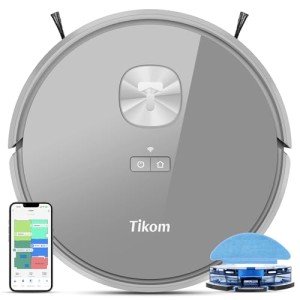
The Rise of Robot Vacuums: A Cleaning Game-Changer
In today’s fast-paced world, benefit and efficiency are vital, particularly in the realm of home tasks. Among the ingenious innovations created to reduce domestic problems, robot vacuums have become a popular choice for consumers looking for tidiness without the inconvenience. This article checks out the development, features, benefits, and downsides of robot vacuums, along with answers regularly asked questions on the topic.
The Evolution of Cleaning Technology
A Brief History
robot vac vacuums, likewise known as self-governing vacuums, trace their origins back to the late 20th century. The very first robotic vacuum was presented by Electrolux in the late 1990s, but it wasn’t until the early 2000s that the concept got traction with the launch of the iRobot Roomba in 2002. Ever since, the market has blown up, and various brand names and designs have emerged to address varied cleaning requirements.
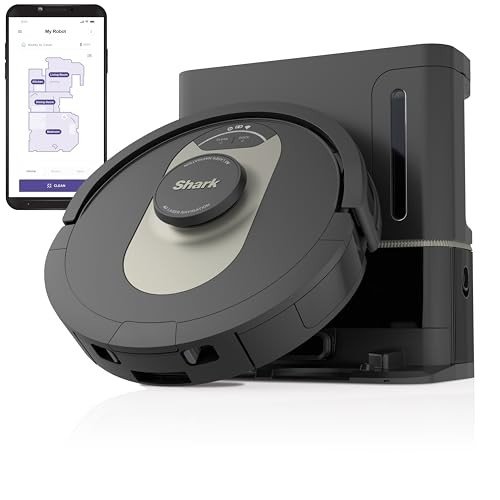
Table 1: Milestones in Robotic Vacuum Development
| Year | Milestone | Brand |
|---|---|---|
| 1996 | First prototype presented | Electrolux |
| 2002 | Release of the Roomba | iRobot |
| 2012 | Intro ofWi-Fi connectivity | iRobot |
| 2019 | Shipment drones in use | Amazon |
| 2023 | AI and artificial intelligence integration | Different Brands |
How Robot Vacuums Work
Robot vacuums operate using a combination of sensing units, mapping technology, and suction abilities. Many models are equipped with the following core parts:
-
Sensors: These help the vacuum navigate the environment, identify challenges, and avoid falls from stairs.
-
Mapping Technology: Higher-end models can develop a detailed map of the home, allowing for systematic cleaning patterns.
-
Suction Power: Most robot vacuums come with differing levels of suction power, enabling effective cleaning on different surface types– from carpets to hardwood floorings.
-
Connection: Many robot vacuums can connect to smart home systems, allowing users to manage them by means of mobile phones or voice commands.
Table 2: Key Features of Robot Vacuums
| Function | Description | Significance |
|---|---|---|
| Floor Mapping | Creates a design of the home | Effective cleaning paths |
| Scheduling | Permits users to set cleaning times | Convenience and automation |
| Charge and Resume | Go back to the dock when battery is low | Constant cleaning cycles |
| Smart Home Integration | Compatible with Alexa, Google Assistant, etc. | Boosted control and automation |
Benefits of Robot Vacuums
1. Time-Saving
Robot vacuums run autonomously, allowing users to participate in other activities while cleaning takes place. This is particularly important for hectic households or experts.
2. Consistent Cleanliness
Regular cleaning is important for preserving a tidy home. Robot vacuums can be configured to tidy day-to-day or weekly, guaranteeing that dust and dirt don’t build up.
3. Accessibility
Many robot vacuums are developed to reach tight areas that standard vacuums can not. This consists of under furnishings, in corners, and along edges.
4. Advanced Technology
With features like mapping, smart scheduling, and voice control, robot vacuums exhibit the advances in home technology. Users can run them easily through an app or voice command, which contributes to benefit.
5. Sustainability
Lots of robot vacuums have efficient cleaning systems that use less energy compared to conventional vacuums. Some designs even offer functions like washable filters to decrease waste.
Downsides of Robot Vacuums
While robot vacuums provide many advantages, they likewise include drawbacks that consumers need to think about.
1. Expense
Robot vacuums usually cost more than standard vacuum, specifically designs with sophisticated features. This initial investment may not be practical for every single home.
2. Limited Suction Power
Although many robot vacuums have seen improvements in suction innovation, they still typically lack the powerful suction required for deep cleaning, particularly on thick carpets.
3. Upkeep
Robot vacuums need regular upkeep to operate successfully. This consists of cleaning brushes, clearing dustbins, and changing filters, which can be more effort than expected.
4. Navigation Issues
Some lower-end designs may have a hard time to navigate complex home layouts or might get stuck on challenges, requiring manual intervention.
5. Battery Life
While numerous models offer effective cleaning within a particular timeframe, longer cleaning jobs might require multiple recharges, leading to disturbances in cleaning cycles.
Regularly Asked Questions (FAQ)
1. Are robot vacuums worth the financial investment?
Purchasing a robot vacuum can be worth it for those who value time saving and consistent cleaning. However, consumers must evaluate their cleaning needs and area before purchase.
2. How typically does a robot vacuum require to be cleaned?
Routine upkeep should be carried out weekly or biweekly, depending on usage and household conditions. Clearing the dustbin after each use is important to guarantee ideal functioning.
3. Can robot vacuums clean carpets efficiently?
Many contemporary robot vacuums are developed specifically to clean carpets, using different suction settings. However, they may not match the efficiency of traditional vacuum cleaners for deep cleaning.
4. Do robot vacuums work on animal hair?
Many high-quality robot vacuums are created to manage pet hair. Models with tangle-free brushes and high suction power master homes with pets.
5. Can robot vacuums navigate around furniture?
Many robot vacuums are geared up with sensors that help them prevent obstacles, consisting of furniture. Nevertheless, some designs may struggle in situational specifics like low-clearance furnishings.
Robot vacuums represent a significant development in cleaning technology, providing benefit and effectiveness for modern households. While they feature several benefits, consisting of time-saving capabilities and advanced functions, it is essential for consumers to weigh the downsides, such as cost and maintenance, before selecting a purchase. As innovation continues to progress, it is likely that robot vacuums will only enhance, further solidifying their location in homes all over the world.