

Company Overview
-
Founded Date 08/09/1914
-
Posted Jobs 0
-
Viewed 17
-
Categories
Company Description
20 Things You Should Be Educated About Cleaning Robot
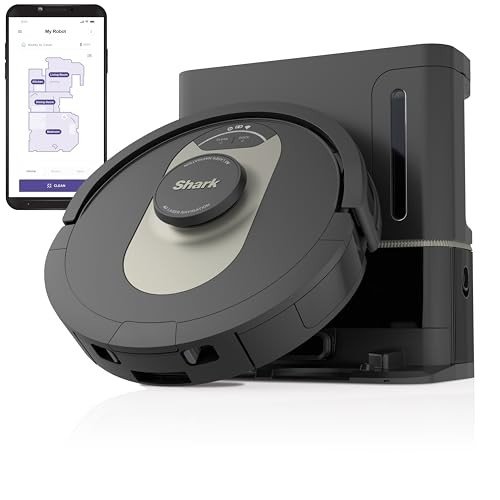
Exploring the Rise of Cleaning Robots: A Look into Smart Home Automation
In today’s busy world, where time is frequently at a premium, family chores often take a backseat to other concerns. Cleaning robots have actually become ingenious solutions to this olden problem, integrating innovation, convenience, and effectiveness. This post digs into the development of cleaning robots, their advantages, essential functions to think about, and answers to frequently asked concerns.
What Are Cleaning Robots?
Cleaning robots, frequently referred to as robotic vacuum or simply “robot vacuums,” are autonomous gadgets created to clean floorings without human intervention. These robots are equipped with sensing units and synthetic intelligence, enabling them to browse spaces, identify obstacles, and perform cleaning tasks efficiently.
Table 1: Key Features of Cleaning Robots
| Function | Description |
|---|---|
| Navigation System | Innovation that assists the robot map the area and prevent barriers. |
| Suction Power | Quantity of suction power figures out the capability to get dirt and debris. |
| Battery Life | Period the robot can run on a single charge. |
| Dustbin Capacity | Volume of dust and debris the robot can hold before requiring emptying. |
| Smart Home Integration | Compatibility with home automation systems, allowing remote control and scheduling. |
The Evolution of Cleaning Robots
The first robotic vacuum cleaner was presented in the late 1990s, but it wasn’t until the early 2000s that they started to gain appeal. For many years, advances in innovation have resulted in more sophisticated models that provide a range of functions.
The Milestones in Cleaning Robot Development
- 1997: The first cleaning robot, “Electrolux Trilobite,” was showcased.
- 2002: iRobot releases the Roomba, which rapidly ends up being a home name.
- 2010: Robotic vacuum begin to feature advanced navigation systems like LIDAR.
- 2015: Cleaning robots even more integrate with smart home technology, enabling Wi-Fi connectivity.
- 2020: A surge in need for cleaning devices efficient in mopping and UV sanitization emerges, affected by health issues.
Advantages of Using Cleaning Robots
- Time-Saving: Cleaning robots can run while people concentrate on other jobs or activities, freeing up valuable time.
- Consistency: These gadgets provide a consistent cleaning schedule, guaranteeing floorings stay tidy frequently.
- Accessibility: Many designs are compact and developed to reach areas that standard vacuums may deal with, such as under furnishings.
- Push-button control: Most modern-day cleaning robots can be managed through mobile phone apps, permitting users to start, pause, or schedule cleansings from anywhere.
- Health Benefits: Regular cleaning helps in reducing allergens and dust particles in the home, contributing to a much healthier living environment.
Table 2: Pros and Cons of Cleaning Robots
| Pros | Cons |
|---|---|
| Time-efficient | Preliminary cost can be high |
| Regular cleaning schedules | Not all models are ideal for all surfaces |
| Functions in hard-to-reach places | May battle with heavy debris |
| Smart home compatibility | Requires regular upkeep |
| Very little user involvement | Dustbin requires routine clearing |
Functions to Consider When Buying a Cleaning Robot
Purchasing a cleaning robot involves evaluating numerous specifications to guarantee the selected model meets an individual’s needs. Here are important functions to consider:
- Suction Power: Look for values measured in Pa (Pascal) or AW (Air Watts) to determine effectiveness.
- Navigation Technology: Advanced models use LIDAR, electronic cameras, or innovative sensing units to create a precise map of your home for optimum navigation.
- Battery Life and Charging: Consider the robot’s runtime on a single charge and whether it can automatically go back to its charging dock.
- Dustbin Capacity: A bigger dustbin enables longer usage in between emptying.
- Mopping Features: Some designs include mopping capabilities, which can be beneficial for keeping difficult floorings.
- Smart Features: Integration with smart home ecosystems such as Amazon Alexa or Google Assistant often enhances user experience.
Popular Brands and Models
Numerous brand names control the cleaning robot market, each with designs tailored for various requirements and preferences. Below is a brief summary:
| Brand | Noteworthy Model | Features |
|---|---|---|
| iRobot | Roomba 700 series | Smart mapping, effective suction |
| Roborock | Roborock S7 | Mopping abilities, advanced sensing units |
| Eufy | Eufy RoboVac 11S | Economical, compact |
| Neato | Neato Botvac D7 | D-shape style for corners, strong suction |
| Shark | Shark IQ Robot | Self-empty base, efficient navigation |
FAQ About Cleaning Robots
Q1: How do cleaning robots browse around the home?A1: Cleaning robots generally utilize a combination of sensing units, cams, and often LIDAR to develop a map of the location and browse efficiently, preventing barriers in their course. Q2: Can cleaning robots tidy carpets as successfully as
hardwood floors?A2: Many modern cleaning robots are designed to work successfully on both carpet and hard surface areas, changing their suction power appropriately. Nevertheless, performance might vary based upon the design. Q3: How frequently must I run my cleaning robot?A3: The frequency of use depends upon your lifestyle and household needs.
Lots of users run their cleaning robots everyday or a number of times a week to maintain a clean environment. Q4: Are cleaning robots noisy?A4: Cleaning robots are normally quieter than traditional vacuums, though sound levels can differ between designs.
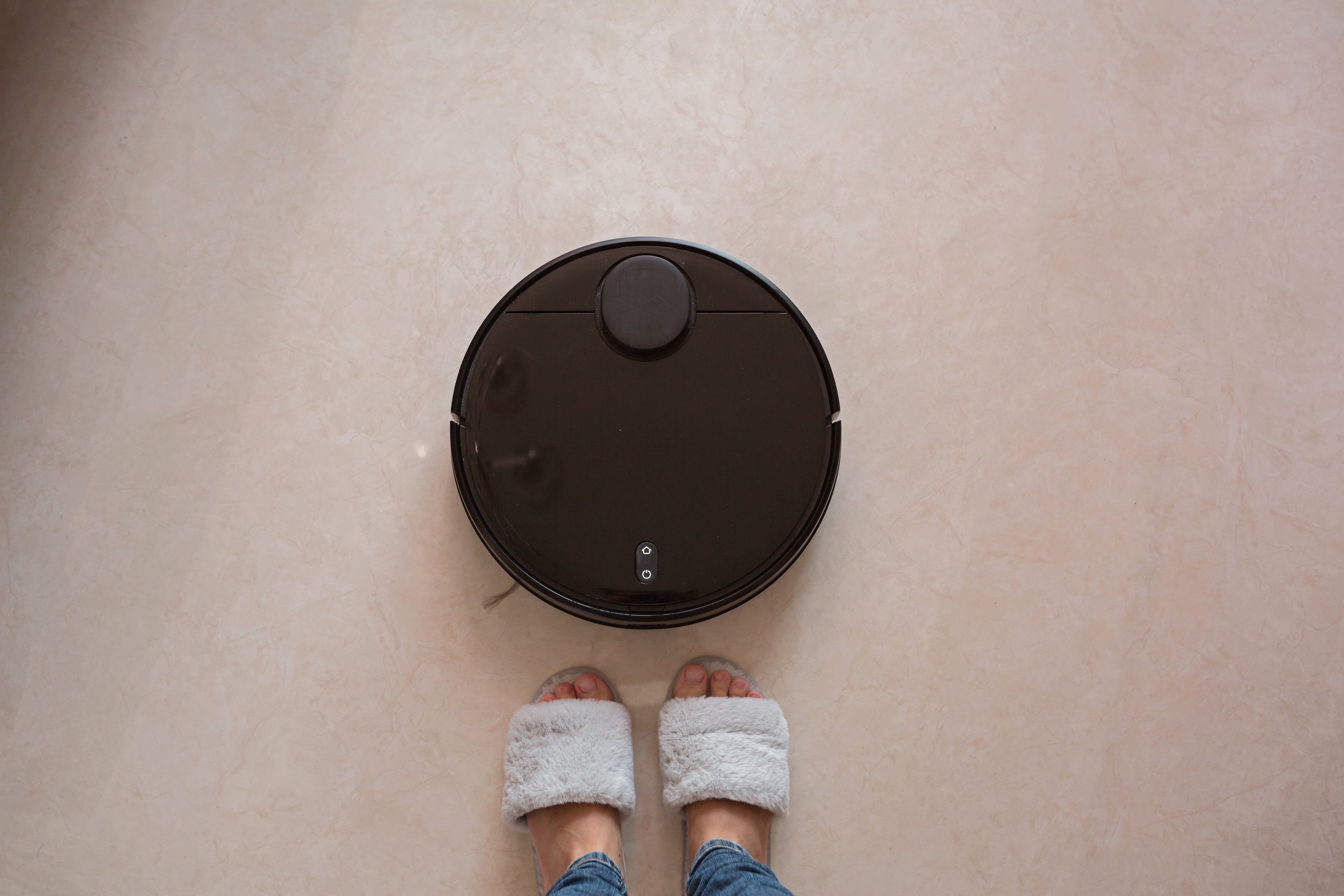
The majority of operate in between 55 to 70 dB, similar to
a discussion. Q5: Can the robot vacuum cleaner price (www.montemathiew.top) be operated remotely?A5: Yes, many contemporary cleaning robots can be controlled by means of smartphone apps, allowing users to start, stop, or schedule cleansings from another location. Cleaning robots have changed home maintenance, providing benefit and effectiveness to busy households. With the most recent developments in innovation, these devices are ending up being essential
tools for everyday living. By comprehending their advantages, features, and abilities, customers can make educated decisions, eventually improving their home cleaning experience. Whether for a studio apartment or a large home, cleaning robots are here to stay, making cleaning less of a chore and more of a breeze.