

Company Overview
-
Founded Date 17/12/1966
-
Posted Jobs 0
-
Viewed 10
-
Categories
Company Description
The 10 Scariest Things About Buy Fireplaces UK

A Comprehensive Guide to Buying Fireplaces in the UK
Fireplaces have actually long been a centerpiece in homes, offering both warmth and visual appeal. In the UK, the diverse environment makes fireplaces an essential feature in numerous residences. Whether one is trying to find a practical heating service or an elegant focal point, understanding the different kinds of fireplaces and the aspects to think about when making a purchase is vital. This post will supply an in-depth summary of the kinds of fireplaces readily available, factors to consider before purchasing, and answers to regularly asked concerns.
Kinds of Fireplaces
When thinking about the purchase of a fireplace, one need to comprehend the vast array of choices available. Here’s a breakdown of the typical kinds of fireplaces uk in the UK:
| Type of Fireplace | Description | Pros | Cons |
|---|---|---|---|
| Open Hearth | Traditional fireplace; wood-burning. | Traditional appeal, good heat circulation. | Inefficient, needs more upkeep. |
| Wood-Burning Stove | Enclosed wood-burning unit designed for effectiveness. | High-efficiency heating, broad range of designs. | Needs space for wood storage, might need chimney lining. |
| Gas Fireplace | Utilizes natural or propane gas for heating. | Easy to use, low maintenance. | May require professional installation, can be less warm than wood. |
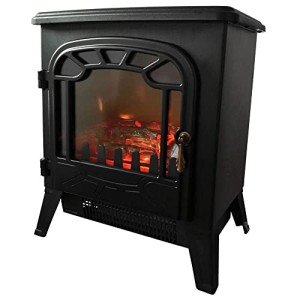
| Electric Fireplace | Uses electricity to create heat and flames. | Simple setup, doesn’t need a chimney. | Typically less efficient for heating, may do not have the atmosphere of real flames. |
| Bioethanol Fireplace | Burns bioethanol for a clean-burning flame. | No venting needed, modern style. | Fuel can be expensive, less heat output. |
| Pellet Stove | Utilizes compressed wood or biomass pellets. | Efficient and ecologically friendly. | Requires electricity to run, needs routine feeding and cleaning. |
Considerations Before Buying a Fireplace
Before committing to the purchase of a fireplace, a number of important elements should be taken into account:
-
Purpose: Determine whether the fireplace will serve mainly for heating or as an aesthetic addition to the room.
-
Kind of Fuel: Consider the type of fuel that best suits your requirements– wood, gas, electrical power, or alternative options.
-
Installation Costs: Assess the overall setup expense, which may consist of chimney work, flue setup, or extra adjustments to the home.
-
Area Availability: Check the space available and ensure that the picked fireplace fits comfortably within the designated area.
-
Design and style: Choose a design that complements the existing decor of your home, whether modern, rustic, or traditional.
-
Maintenance: Understand the upkeep requirements associated with each kind of fireplace. For example, wood-burning options may require routine cleansing of flues and chimneys.
-
Energy Efficiency: Assess the energy efficiency of the fireplace, specifically if it will act as the main heating source.
-
Regional Regulations: Be aware of regional policies and standards concerning setups, particularly for wood-burning and gas home appliances.
FAQs about Buying Fireplaces in the UK
1. What is the best type of fireplace for an environment-friendly home?
Answer: A wood-burning stove or a pellet stove can be terrific environmentally friendly alternatives, as they use sustainable resources. Bioethanol fireplaces are also tidy and produce no harmful emissions.
2. Do I need a chimney for a gas fireplace?
Answer: Most gas fireplaces require venting to the outdoors, which can be through an existing chimney or through a direct vent system that vents through the wall.
3. How do I identify the best size of fireplace for my room?
Answer: The size will depend upon the space’s square video footage and the kind of fireplace. Usually, an expert can determine the BTUs (British Thermal Units) required based upon the room size.
4. What is the typical cost of setting up a fireplace in the UK?
Answer: Installation costs can differ extensively depending upon the kind of fireplace and its complexity, ranging from ₤ 500 for electric fireplaces to ₤ 5,000 for some custom installations of wood stoves or gas units.
5. Are electric fireplaces safe to use?
Answer: Yes, electric fireplaces are normally very safe, as they do not produce genuine flames or emissions. Nevertheless, similar to any electrical home appliance, they ought to be utilized according to producer standards.
The decision to buy a fireplace in the UK is diverse and depends upon numerous aspects, including style, effectiveness, purpose, and setup needs. By understanding the different types of fireplaces and assessing personal requirements and choices, one can make an informed option that improves their home and experience. With the info supplied, prospective purchasers can embark on their journey to find the perfect fireplace that combines performance with the convenience and warmth that this quintessential feature supplies.
In summary, buying a fireplace is more than just picking a heating option; it has to do with including character to a home while guaranteeing convenience for years to come.