

Company Overview
-
Founded Date 11/11/1987
-
Posted Jobs 0
-
Viewed 15
-
Categories
Company Description
20 Resources That Will Make You Better At Non Electric Walking Pad
The Non-Electric Walking Pad: A Step Towards Health and Sustainability
In a world progressively dominated by electric gizmos, the non-electric walking pad sticks out as a beacon of simplicity and effectiveness. This ingenious fitness solution not just gets your body moving however also lines up with environmentally friendly practices. In this post, we will explore what non-electric walking pads are, their advantages over traditional electric treadmills, and how they can flawlessly fit into your way of life.
Understanding the Non-Electric Walking Pad
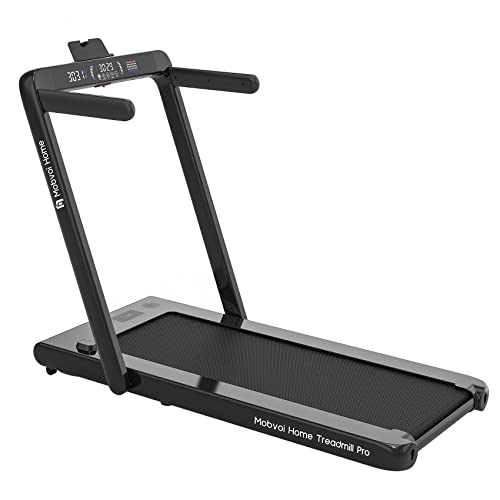
A non-electric walking pad is a manually operated exercise gadget created for walking or light jogging. Unlike electric treadmills, these pads depend on the user’s movement to power the machine’s belt. This innovation offers an unique way to incorporate cardio exercises into day-to-day routines without needing electrical power or complex technology.
Key Features
| Function | Non-Electric Walking Pad | Electric Treadmill |
|---|---|---|
| Power Source | Manual Walking Pad (user-powered) | Electric |
| Area Requirement | Compact and lightweight | Typically large and heavy |
| Sound Level | Quiet | Can be loud |
| Sustainability | Eco-friendly | Needs electricity |
| Maintenance | Low maintenance | Greater upkeep expense |
| Cost | Usually more economical | Can be pricey |
Advantages of Non-Electric Walking Pads
As consumers become more health and environmentally conscious, non-electric walking pads have grown in popularity. Here are a few of the key benefits:
-
Sustainability: With no dependence on electricity, non-electric walking pads lower carbon footprints and align with environmentally friendly practices. They interest those aiming to lead a greener lifestyle.
-
Affordability: Generally, non-electric walking pads are more affordable than their electric counterparts. The lack of electronic elements reduces manufacturing costs, making these pads available for a more comprehensive audience.
-
Compact Design: Most non-electric walking pads are designed to be lightweight and foldable, making them simple to keep when not in usage. This is especially helpful for people living in small areas.
-
Peaceful Operation: Since they run calmly, these pads are an exceptional option for houses and shared living plans. Users can preserve their exercise routine without troubling others.
-
Low Maintenance: With fewer moving parts, non-electric walking pads require less upkeep compared to electric treadmills. Simply keep them clean and save them in a dry space to extend their life expectancy.
-
Health Benefits: Manual walking pads motivate users to engage actively with their exercise. This can result in improved balance, coordination, and a much better connection to body language.
How to Integrate a Non-Electric Walking Pad into Your Routine
Integrating a non-electric walking pad into your everyday regimen can be basic and rewarding. Here are some suggestions:
-
Set a Schedule: Designate particular times for walking. Treat it like any other appointment.
-
Develop a Designated Space: Find a comfortable location in your house where you can use the walking pad without diversions.
-
Integrate with Other Activities: Consider using the walking pad while seeing TV, reading, or listening to podcasts.
-
Start Slow: For novices, start with short sessions and slowly increase the strength and duration as you become more comfy.
Regularly Asked Questions (FAQ)
1. How does a non-electric walking pad work?
Non-electric walking pads work on an easy system where the user’s movement powers the belt. As you stroll, the surface moves under your feet, allowing for a fluid walking experience.
2. Are non-electric walking pads suitable for everybody?
Yes, the majority of non-electric walking pads are created to accommodate various physical fitness levels. Nevertheless, individuals with movement issues should consult a healthcare professional before beginning any new workout program.
3. Do non-electric walking pads have weight limits?
Yes, always check the producer’s requirements for weight limits. A lot of models can support a wide variety of users, but it’s essential to guarantee they can accommodate your weight for security factors.
4. Can I operate on a non-electric walking pad?
Although mainly developed for walking, some users might discover that they can quickly jog on specific non-electric walking pads. Nevertheless, it’s best to examine the particular design’s style and weight limitation for safety.
5. How do I tidy and maintain a non-electric walking pad?
Regularly clean down the surface to remove dirt and sweat. Shop it in a dry area and prevent exposing it to moisture to prevent rust and wear.
Including a non-electric walking pad into your fitness routine can be a basic yet effective way to remain active while promoting sustainability. With their myriad advantages– cost, low upkeep, density, and eco-friendliness– these walking pads are an exceptional alternative to traditional electric treadmills. Whether for companionship while viewing your preferred program or as a standalone exercise, they provide a straightforward way to improve your health.
Now is the time to take that advance– literally! Check out the lots of alternatives readily available and find the ideal non-electric walking pad that lines up with your lifestyle and health objectives. Keep in mind, every action counts!